




Linjett Design Team
Linjett Design Team
At Linjett, every yacht begins with people, people who sail, who listen and who care deeply about how the yacht feels to interact with.
Since the first Linjett launched in 1973, all the models have been shaped with similar elegant lines and thoughtful proportions, with a deep understanding of sailing in the Nordic archipelagos. Since 2005, both the boatyard and the responsibility of developing new models have been carried by the third generation of the Gustafsson family. Today, the design work is led by The Linjett Design Team, with core members Markus Gustafsson and Stefan Gylleby – two of many minds behind the latest Linjett models. For Markus and Stefan, the work to find the perfect yacht design is part of everyday life.
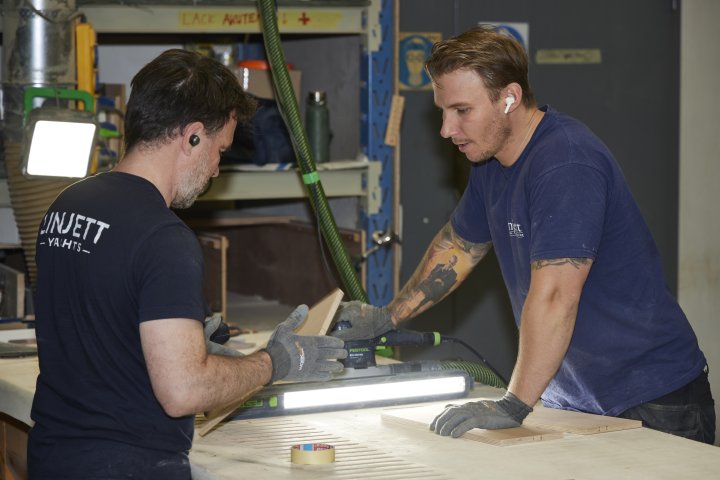
What makes Linjett Yachts unique is that everything has always happened in-house. From the very first idea of a new model, to the design, engineering and final production, the entire process is carried out at the Linjett Boatyard. Every step is accompanied by people who genuinely love sailing and have turned that into their profession. Which means that every Linjett yacht is always created by sailors, for sailors.
The Design Process
Rather than following a straight, fixed line, the process begins with the big questions and gradually narrows down, circle by circle, until every detail is refined – like a spiral. That is how the team describes the way a Linjett takes shape.
""Building a yacht is like going through a spiral.""
Stefan Gylleby - Design and R&D
Inspiration & New Ideas
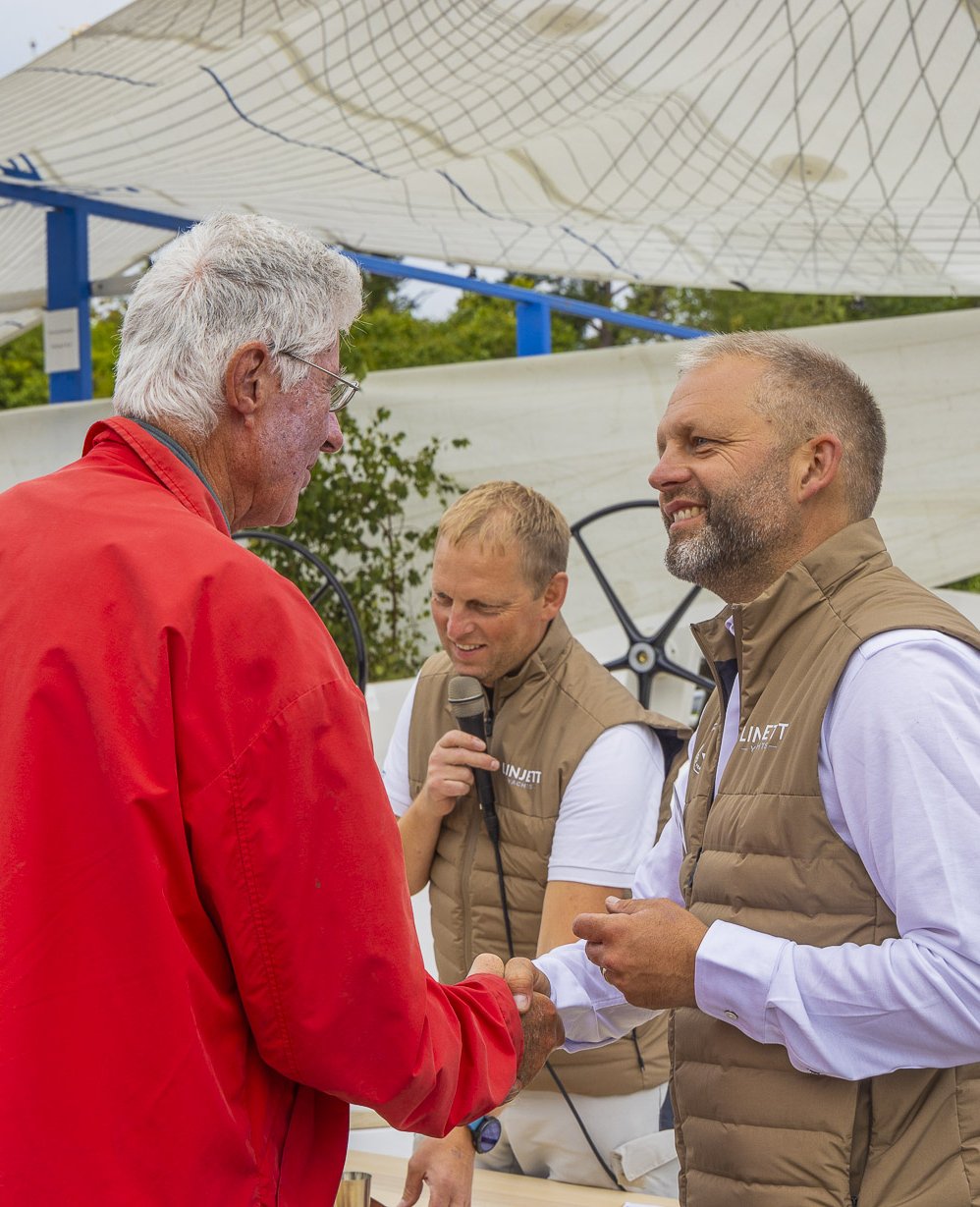
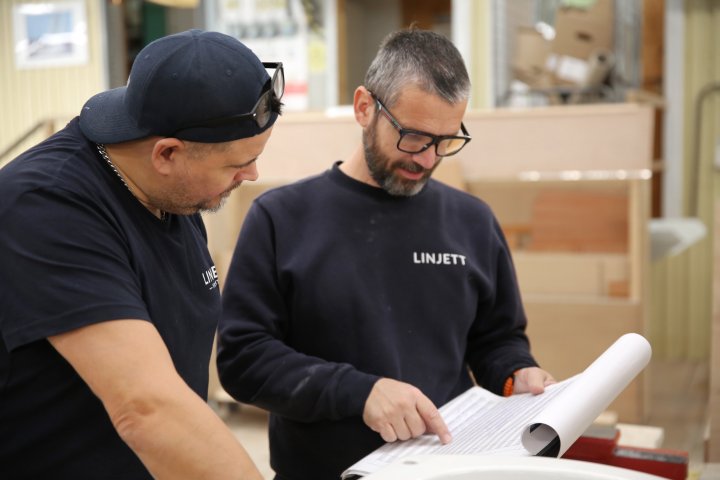
Most ideas start very close to the sailors we meet; like a conversation at a boat show, a discussion with a customer, or feedback from either focus groups or Linjett owners. The starting point is often a wish for a new living experience on board or certain features. Our own yacht builders also commonly offer ideas of improvements, as our Design and Production teams work closely together in a genuinely collaborative process.
Additional inspiration comes from studying competitors’ yachts or looking beyond the yacht world. Clever solutions have been found in the car industry and, surprisingly, in van-life communities.
The Linjett Design Team gather all these insights and translates them into tangible, practical, and beautiful design elements that are worthy of being featured in a Linjett.
The Drawing Board
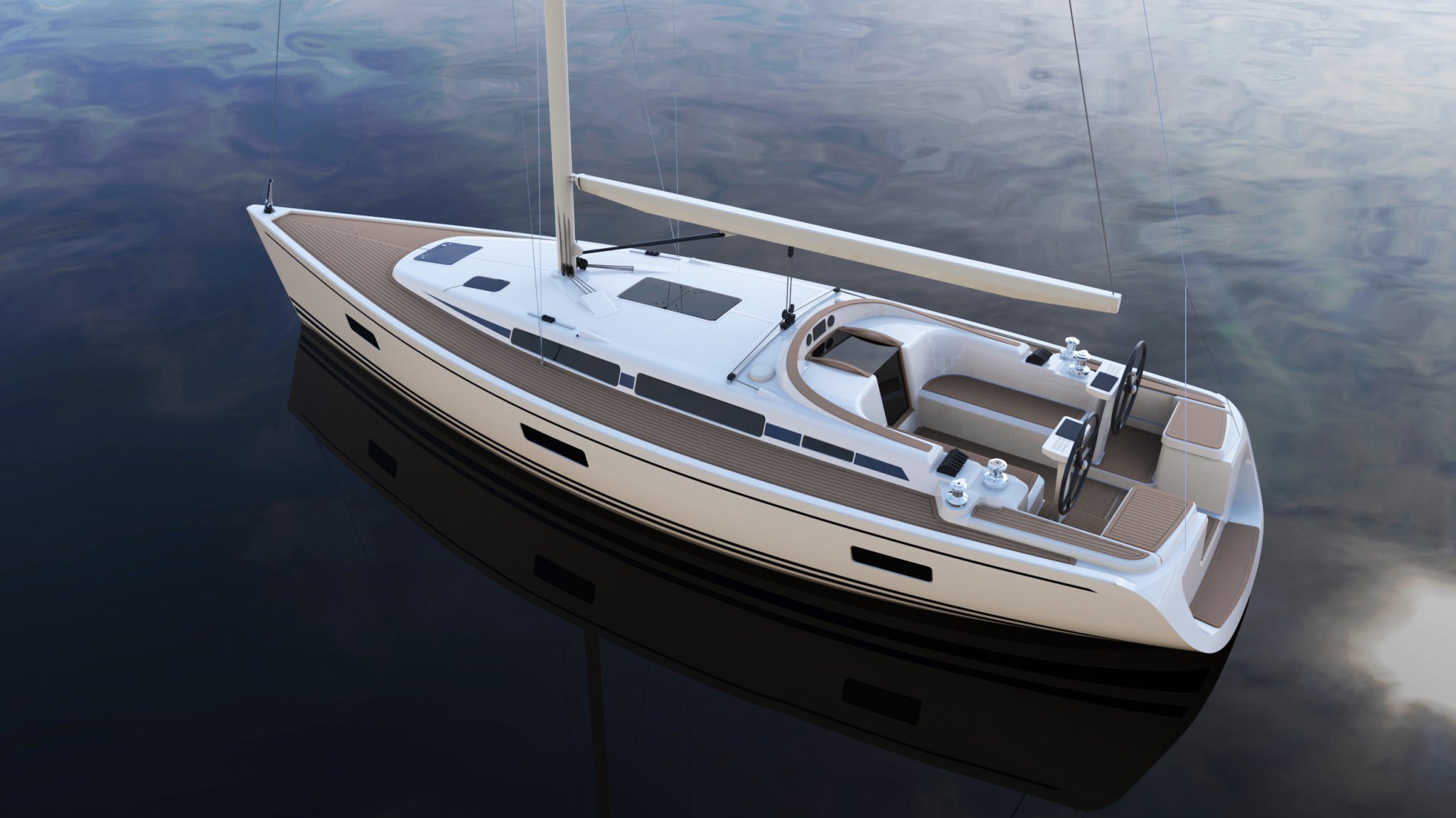
Once a concept is defined, the first sketches take shape. The exterior and overall character are set. Hydrostatics follow, defining how the yacht floats and balances. Then the interior layout is developed, and finally the deck layout. At each stage, the design is tested through simulations to ensure that the yacht behaves exactly as intended.
If something does not perform as it should, the team returns to the drawing board and refines the design. Again and again. This is where the spiral becomes visible: with every test and every adjustment, the remaining changes become smaller, more precise and more focused.
Building the First Yacht
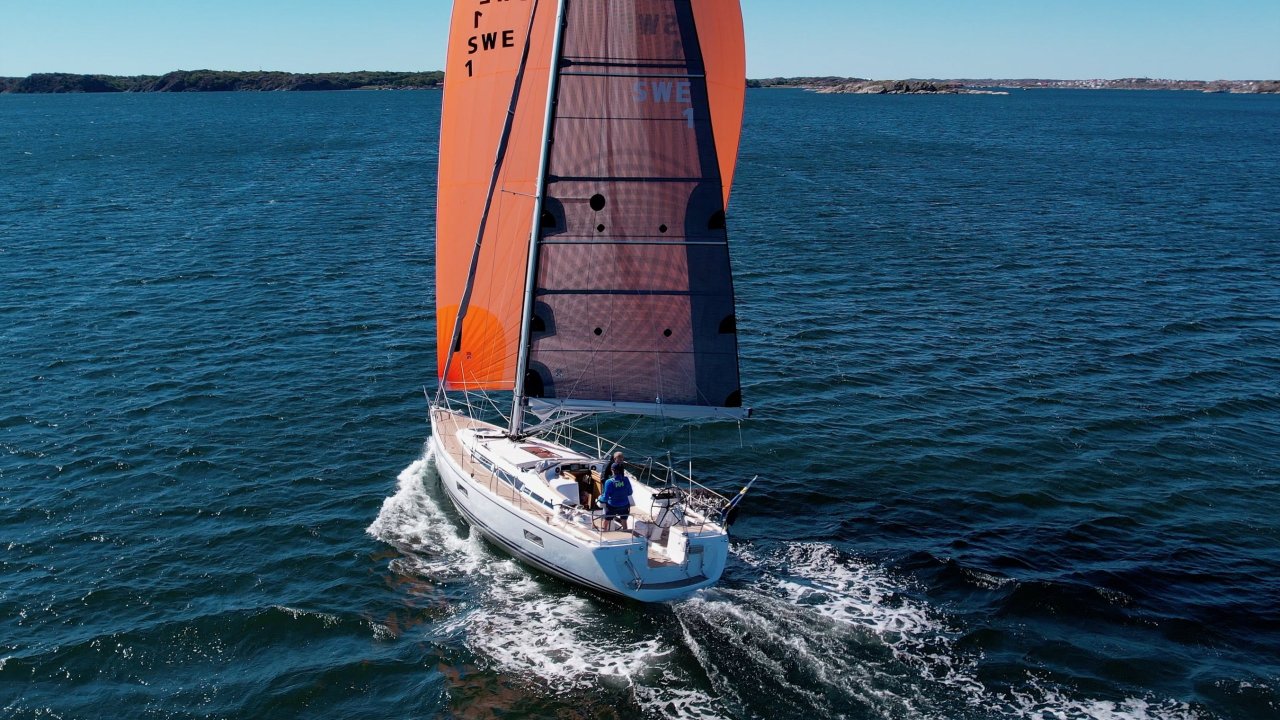
Soon, the design and production of yacht no. 1 begin to run side by side. Both teams driven by a shared mindset, shaped by knowledge accumulated over generations of craftsmanship defined by the boatyard’s 140 years old heritage. This experience guides every detail and decision, with the goal to always make sure that every Linjett model is a complete joy to sail.
No matter how advanced the simulations become, nothing replaces the first moment a new yacht meets the water.
As Markus puts it, “You can have drawings, but you don’t know for sure how the yacht will handle the sea or the wind.” Stefan adds, “There is still some black magic involved.”
So how long does it take to design a new Linjett model?
Officially, around two years.
Unofficially, a Linjett is never quite finished. There is always a detail to refine, an idea to explore – all in the service of creating a yacht that feels uniquely personal, like a Linjett.
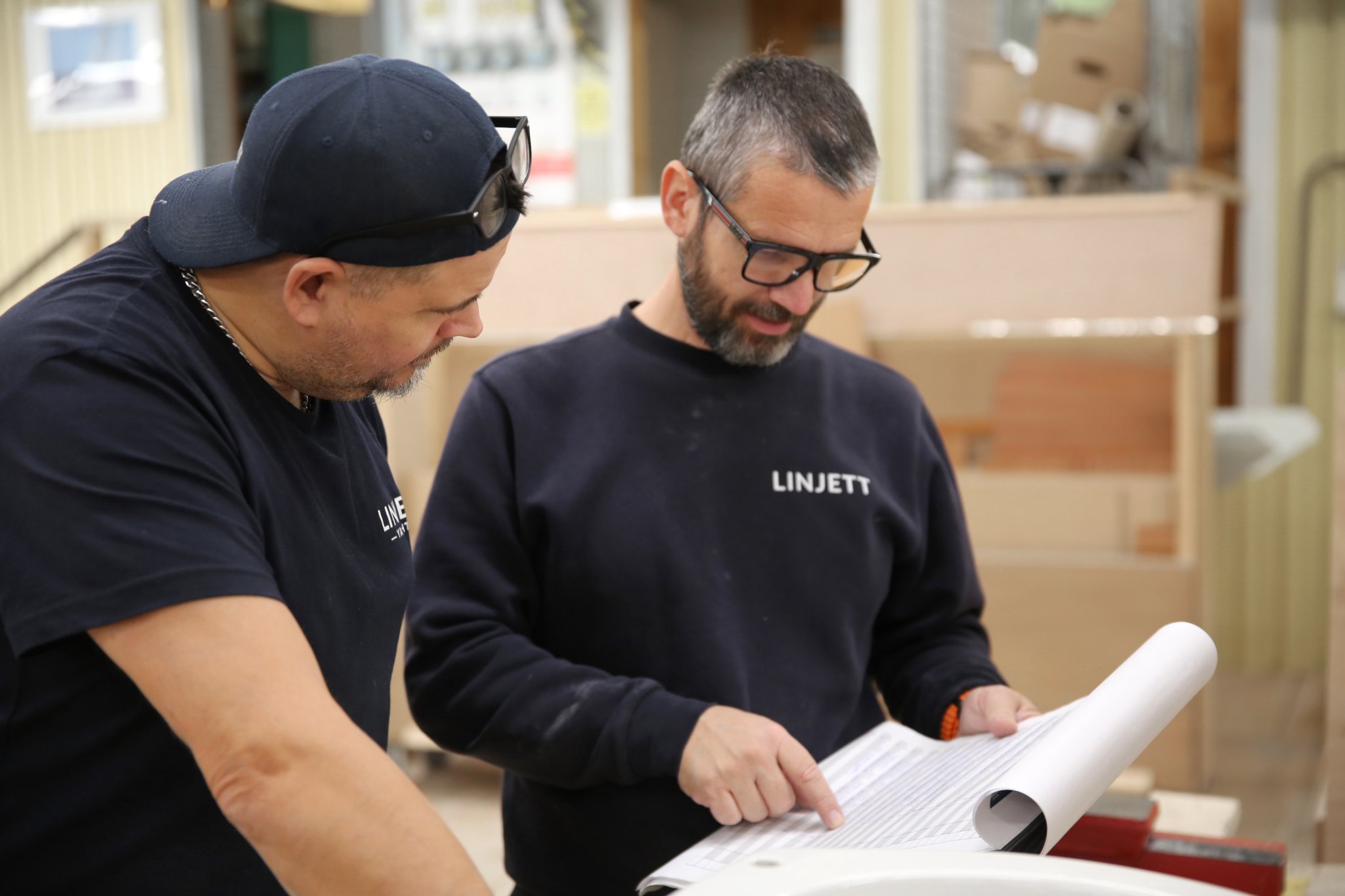
Meet The Linjett Design Team
Meet the designers, consultants, and faces behind the Linjett designs! Below you can read about the people in the The Linjett Design Team, as well as the team’s network of experts that brings in valuable skills and ideas in their respective fields.
"The philosophy we follow here is that we love sailing yachts, and that shows."
Markus Gustafsson on what makes Linjett stand out
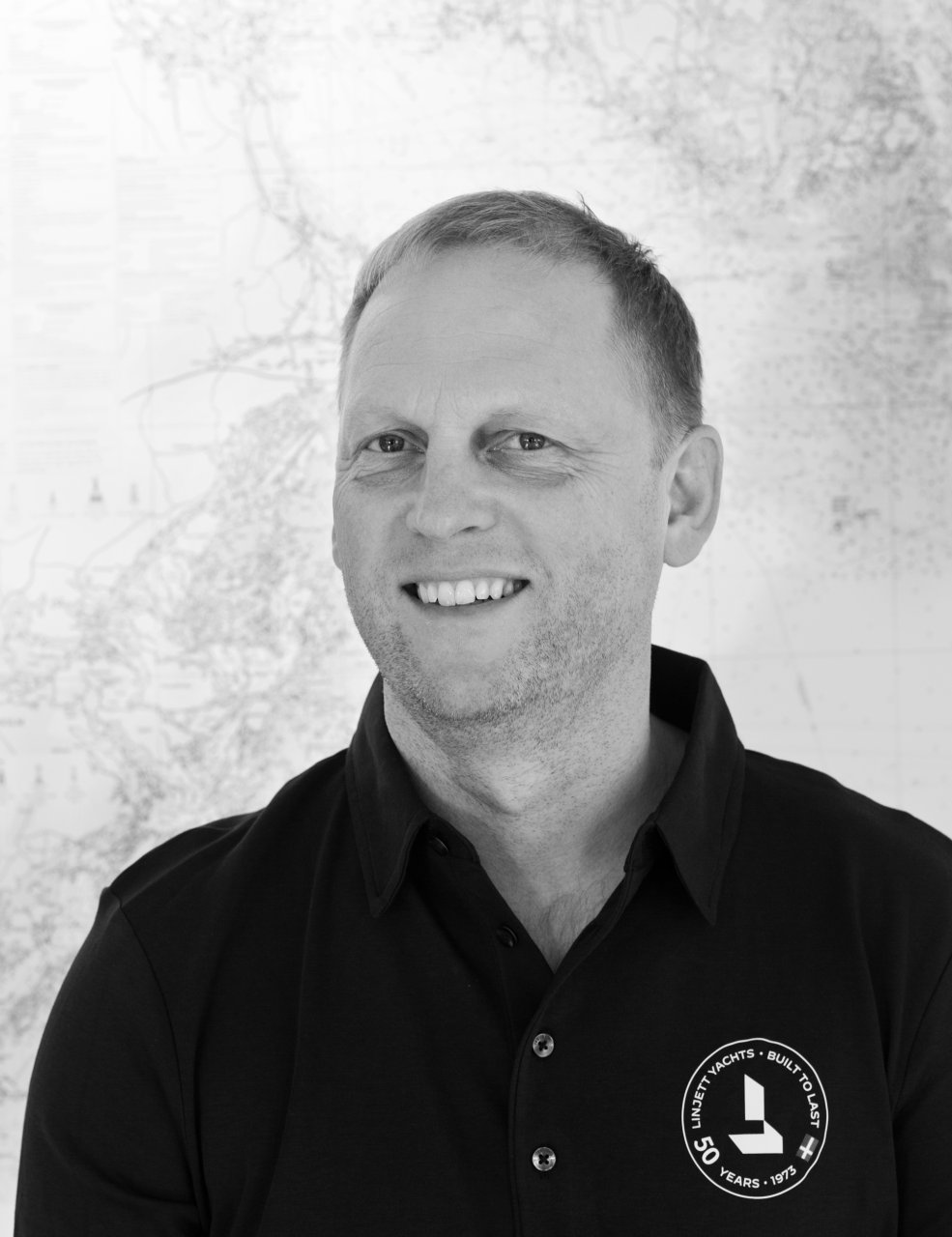
Design and Development
Markus Gustafsson
As a third-generation member to be involved in the family business, his path into the boatyard was almost written before he knew it himself. You could say that he did not choose the profession, but the profession chose him. Today, as Head of Design, he carries the responsibility of guiding every new model from concept to final approval, ensuring that each yacht honours Linjett’s long heritage while embracing modern innovation.
Markus’ favourite part of the design process is to help people discover that sailing does not have to be complicated. According to him, a well-designed yacht should make life on water feel natural, intuitive and safe. He thinks a really important moment in the process is when a yacht finally hits the water. Only then can you truly understand how it moves, how it responds and how it feels. A Linjett should always give you confidence at the helm. You decide where the yacht goes, not the other way around.
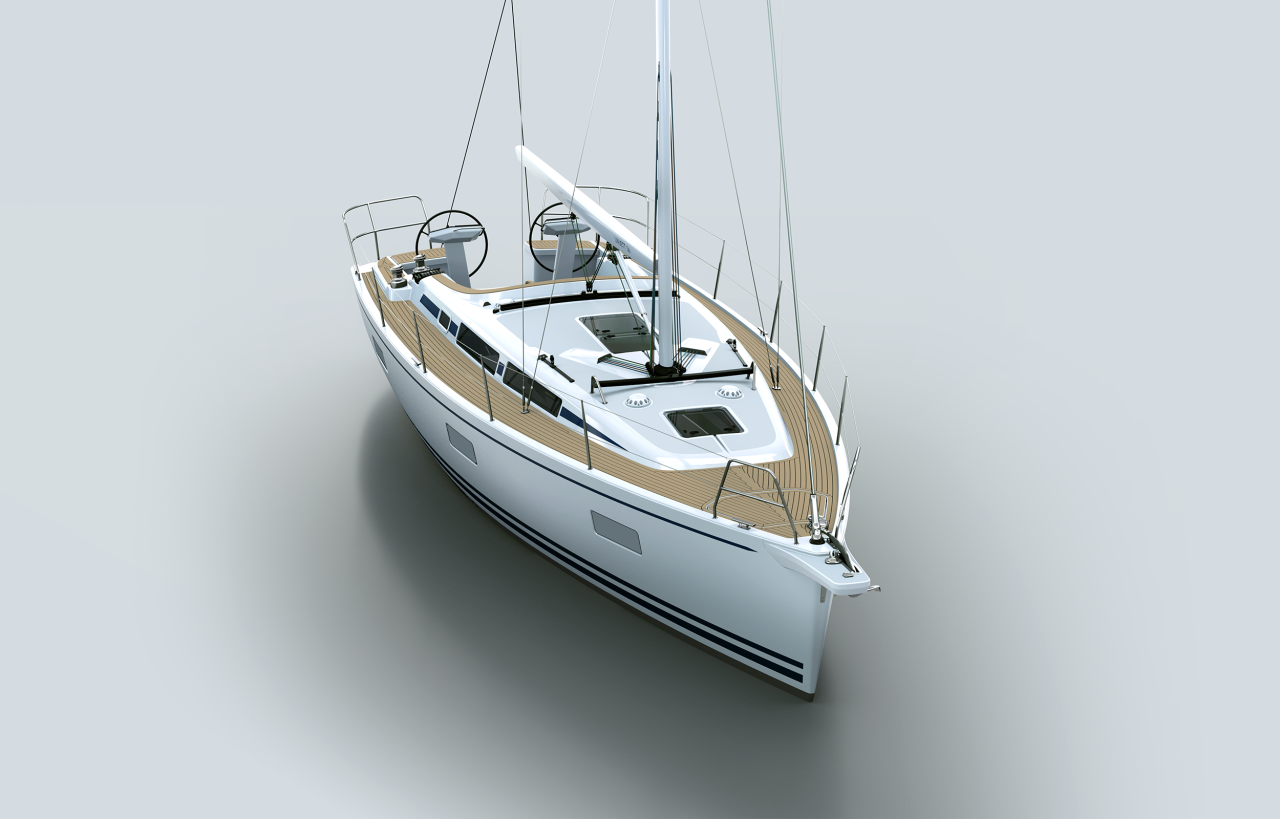
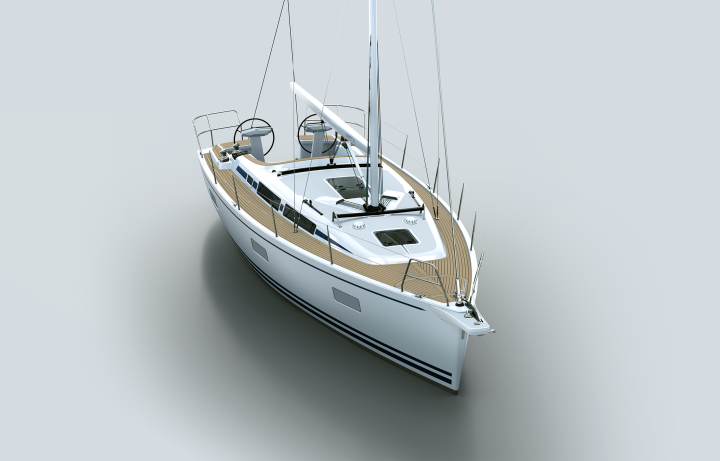
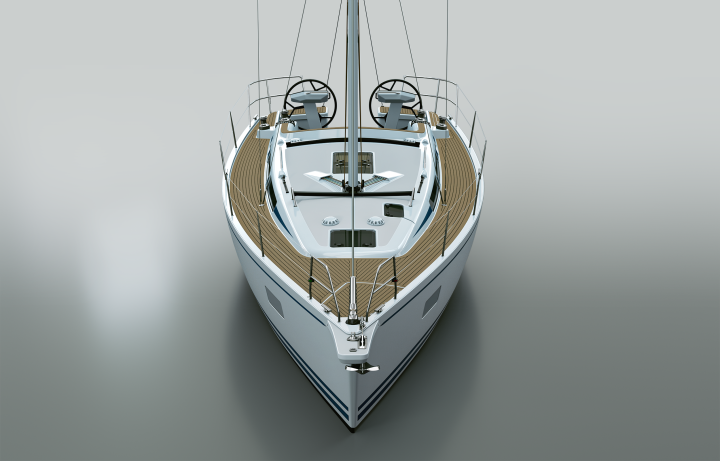
His favourite Linjett model to this date is the Linjett 36, as it represents decades of experience, lessons learned and craftsmanship, brought together in one carefully balanced yacht. And what is his favourite feature to a Linjett that was added by the team? The two wheel solution in the cockpit. He adds that for a brand that is rooted in classic yacht design, moving from a one-wheel solution to two wheels was a significant step - and one that was achieved without compromising the character that defines a Linjett.
The greatest challenge that Markus encounters in the design process, is also one he values the most: translating the wishes of our owners into a clear and meaningful concept. Listening, filtering feedback and turning many individual ideas into one coherent design takes both patience and experience - but it is precisely this dialogue with customers that shapes every new Linjett.
When asked what truly sets Linjett apart, his answer is clear, “Our yachts are built to last.
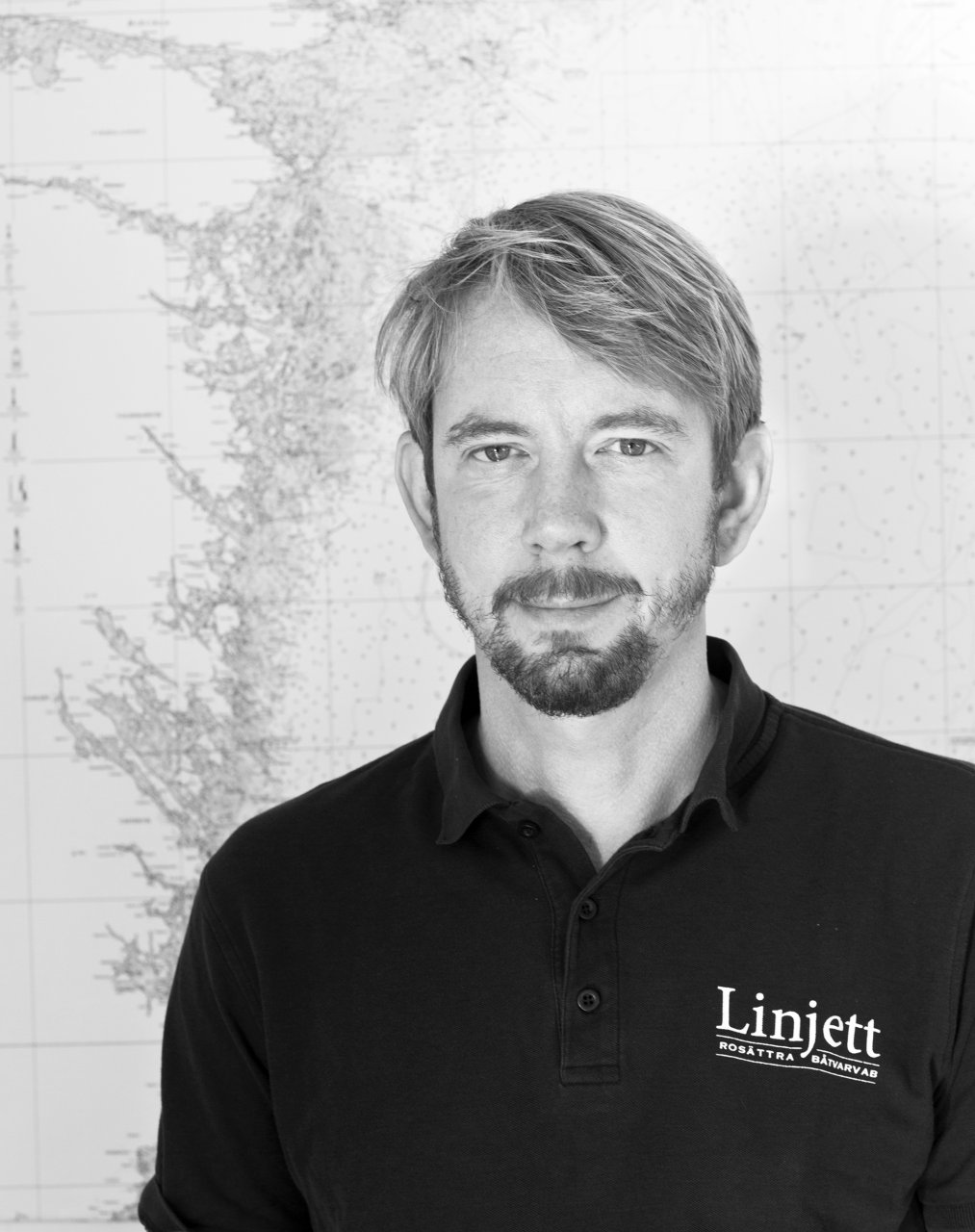
Design and R&D
Stefan Gylleby
Stefan’s role in both design and research and development reaches far beyond a single discipline in reality. Throughout the development of every Linjett, he moves naturally between several roles. He coordinates the process like a project manager, ensures that everyone involved has the right information at the right time and contributes directly to the design itself. He describes it as a kind of “journalist”, making sure that the voices of our customers are truly heard and carefully translated into something that works on the yachts.
That also encapsulates his favourite part of the design process. It is the early phases; the research, the conversations and the time spent understanding what people actually want and need from their yacht. Those conversations set the foundations and cornerstones of a new model. To him, this [ES8.1]is the most important stage of the whole process.
When asked what his favourite Linjett model to this date is, his answer is easy: “The next one. Because every new project is an opportunity to take everything learned from previous yachts and carry it forward into a fresh design.” His favourite feature added to a Linjett is the cockpit with its sheltered seating area and the clean uncluttered layout, leading all the lines under deck into a well-considered position. Stefan’s favourite addition is the two cabin layout in the Linjett 39.
According to him, the greatest challenge in the design process is staying focused on the bigger picture. In a process filled with details, measurements and technical solutions, it is easy to become absorbed by small details.
And lastly, what makes Linjett stand out from competitors? In his opinion, it is four very distinct things: The quality of how a Linjett is built, the way they retain their value over time, the efficient and thoughtful use of space and how easy and reassuring they are to handle. A Linjett should remove any hesitation people may feel about sailing and replace it with confidence and enjoyment.
Developing a yacht is very complex, it is more like an art form than science.
Stefan Gylleby on the design process of a yacht.
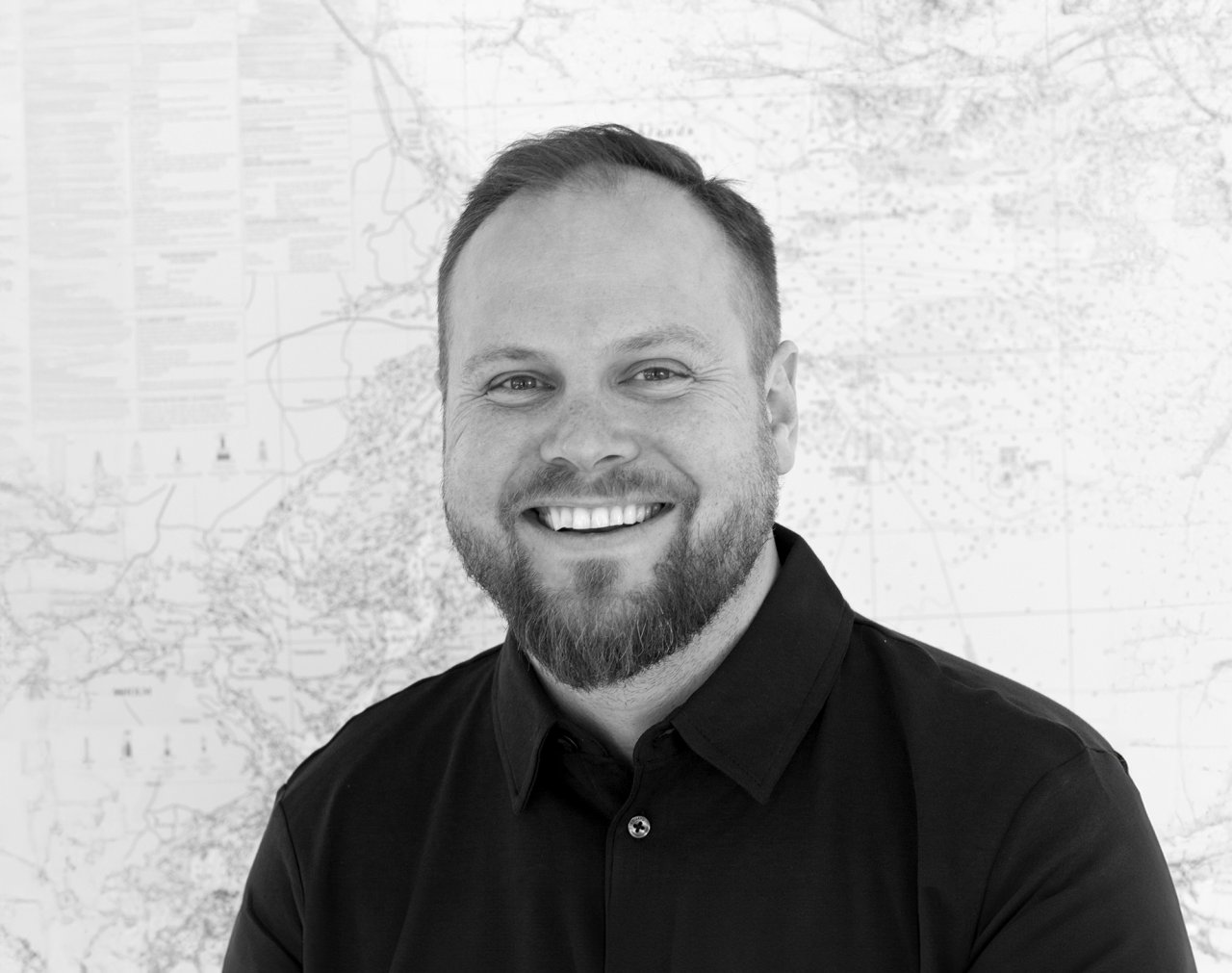
Sales Manager
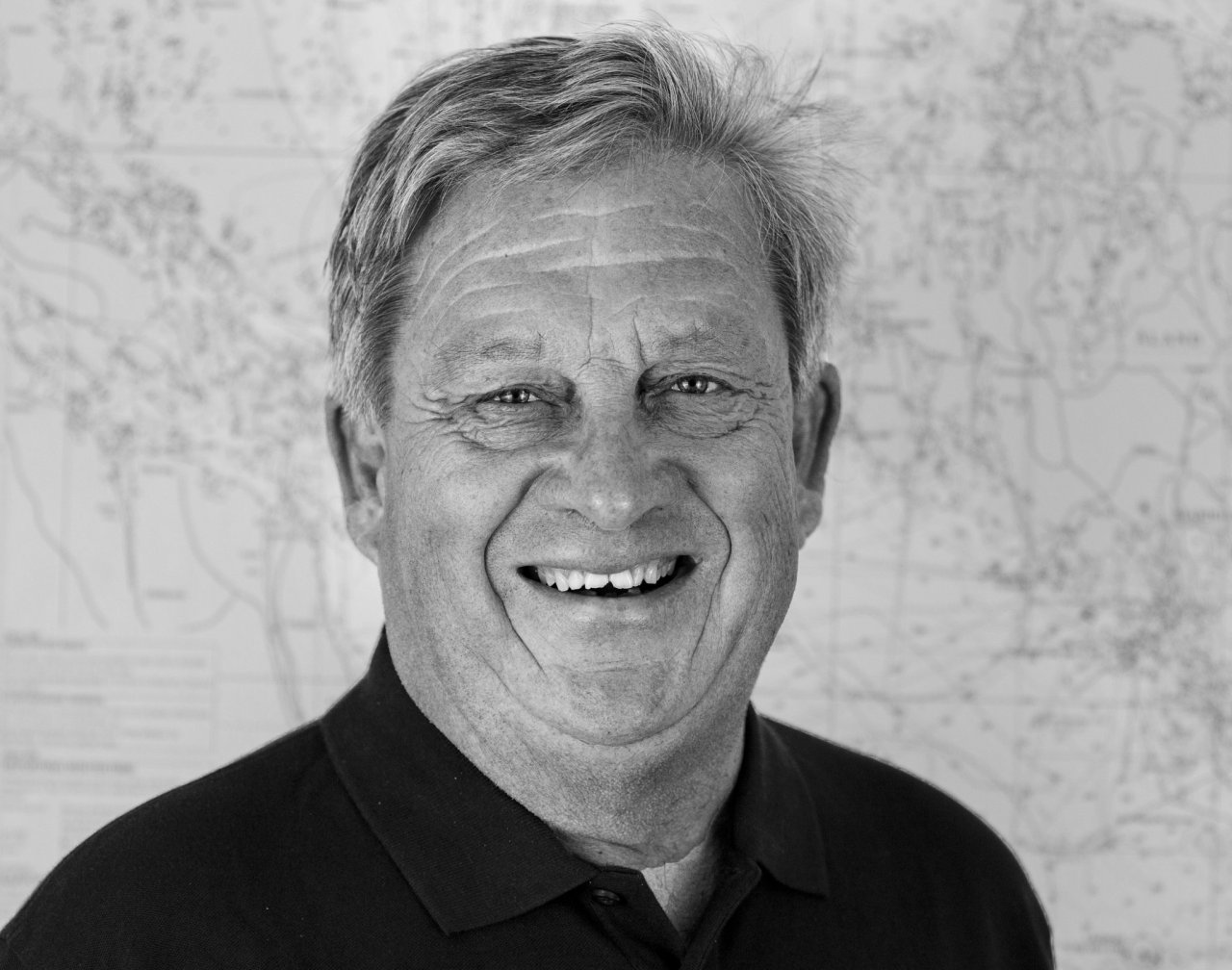
Matti Wikholm
As Sales Manager at Linjett Yachts, Matti’s work revolves around close dialogue with Linjett owners and prospective owners, making him a key member of the design team’s ecosystem. He is the first point of contact for ideas, wishes, and feedback regarding each Linjett, and follows the customer journey from the first introduction to the boatyard through purchase, customization, build, and delivery.
In this role, Matti serves as the link between Linjett owners and the Linjett Design Team, ensuring that suggestions shared in conversations, during customisation, or even at boat shows are brought into the design process so they can shape future yachts that are built to last.
Design Consultant
Mats Gustafsson
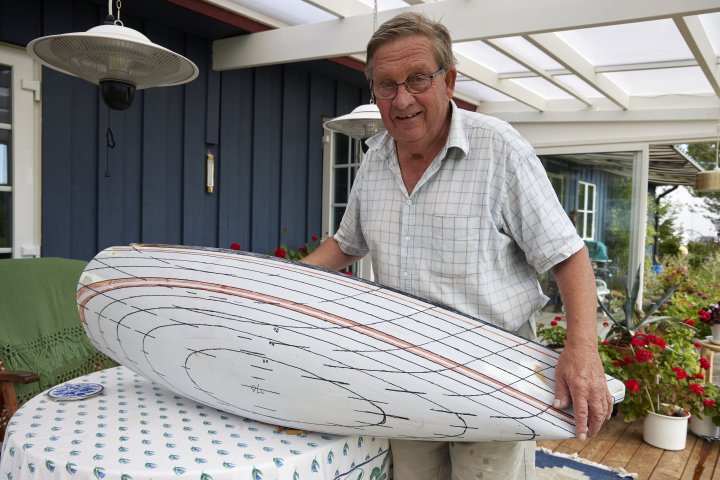
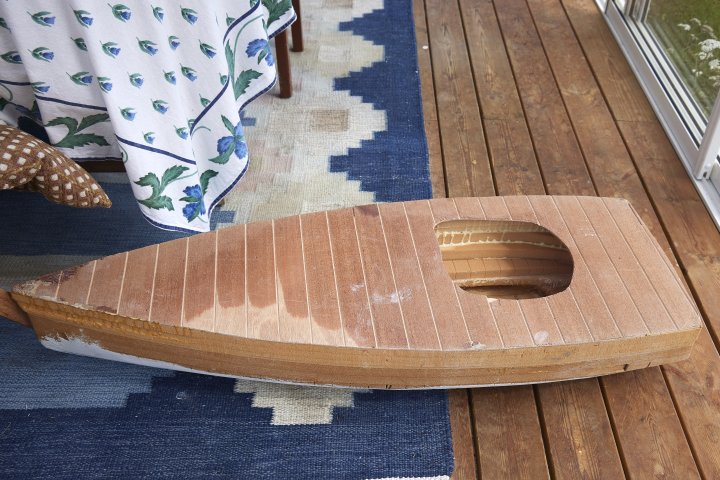
As the previous owner and designer behind the Linjett 30, 32, 33, 35, 37, 40 and 43, Mats Gustafsson is a name long-standing Linjett owners know. After retiring and passing the baton to his sons, one would suspect he’d be enjoying his well-deserved retirement. But for someone with such a passion for Linjett, retiring did not mean stepping back from the role as a design consultant. Mats is still an important contributor in the development of new Linjett models. His longtime experience as a boatbuilder, sailor, and designer is valuable support to the Linjett Design Team. During the design of the Linjett 39, Mats produced 1:10 scale models that later got digitised.
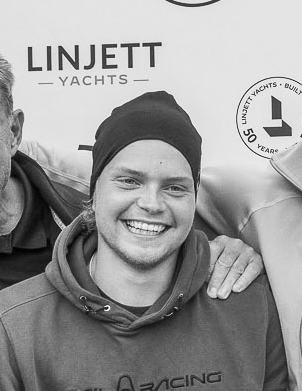
Nils Gustafsson
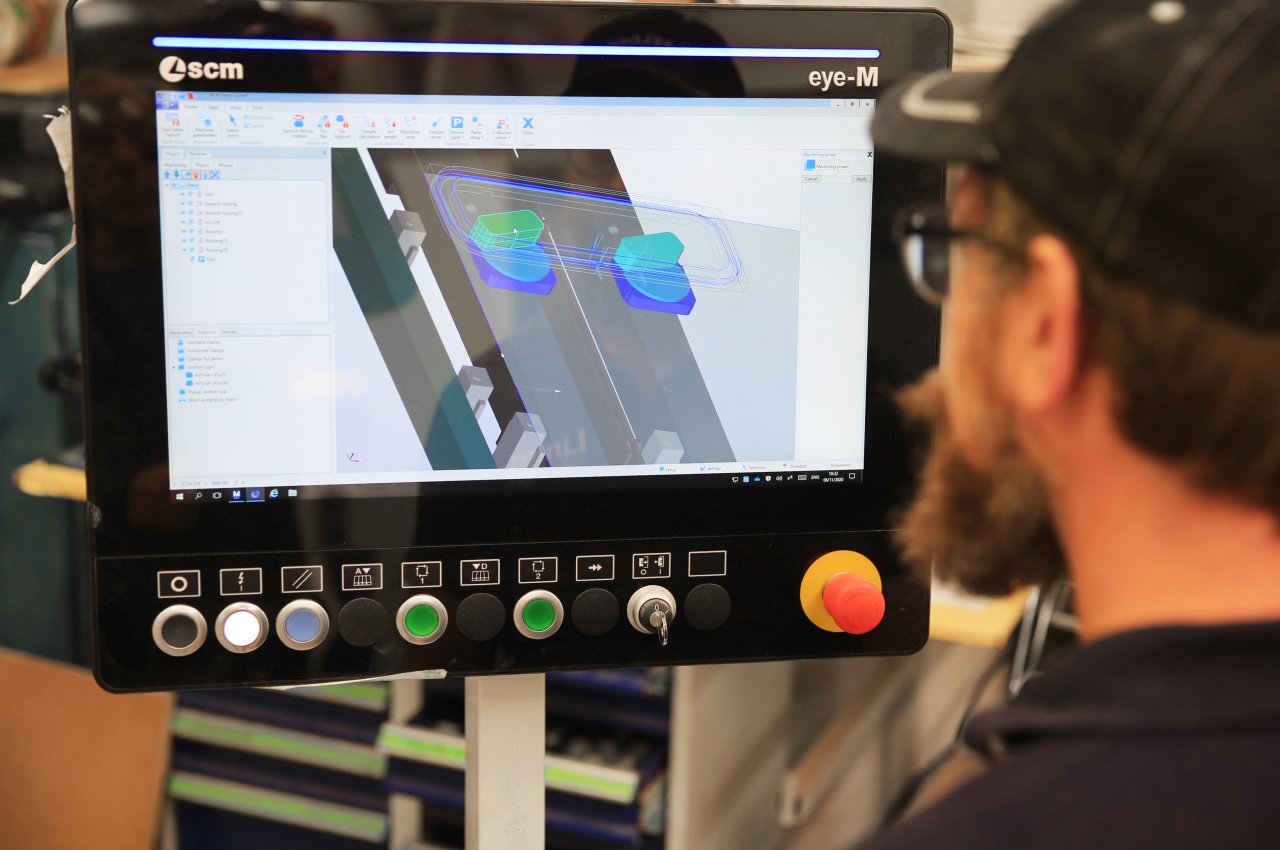
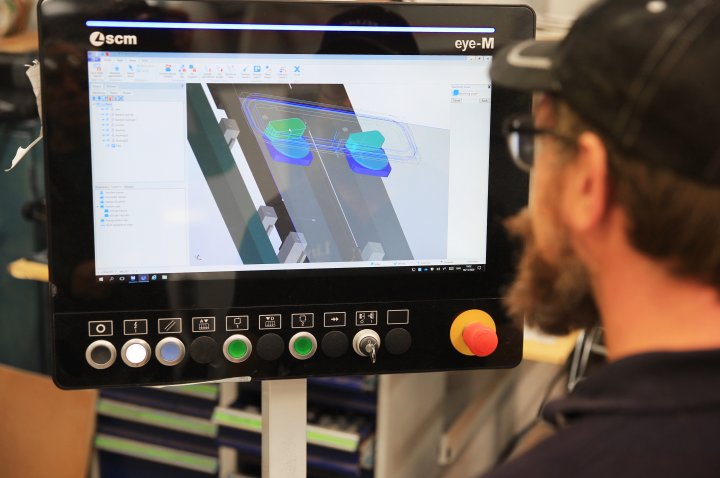
As the fourth generation to be part of the family business, Nils supports the Linjett Design Team as a design engineer and with 3D Computer Aided Design (CAD). His work is in the details. Like the small, intricate works on the wood finishes that hold the door hinges.
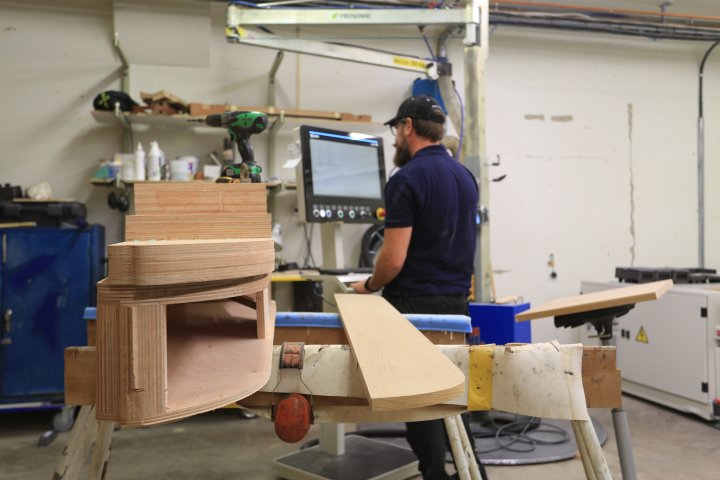
While plenty of his work is done with design software, he also operates the CNC machine to convert the designs into the products and features that ends up on the yachts. Designing and building a Linjett is not just about the overall designs, the yacht achieves its excellence in the finer details.
Consultant for Linjett 39
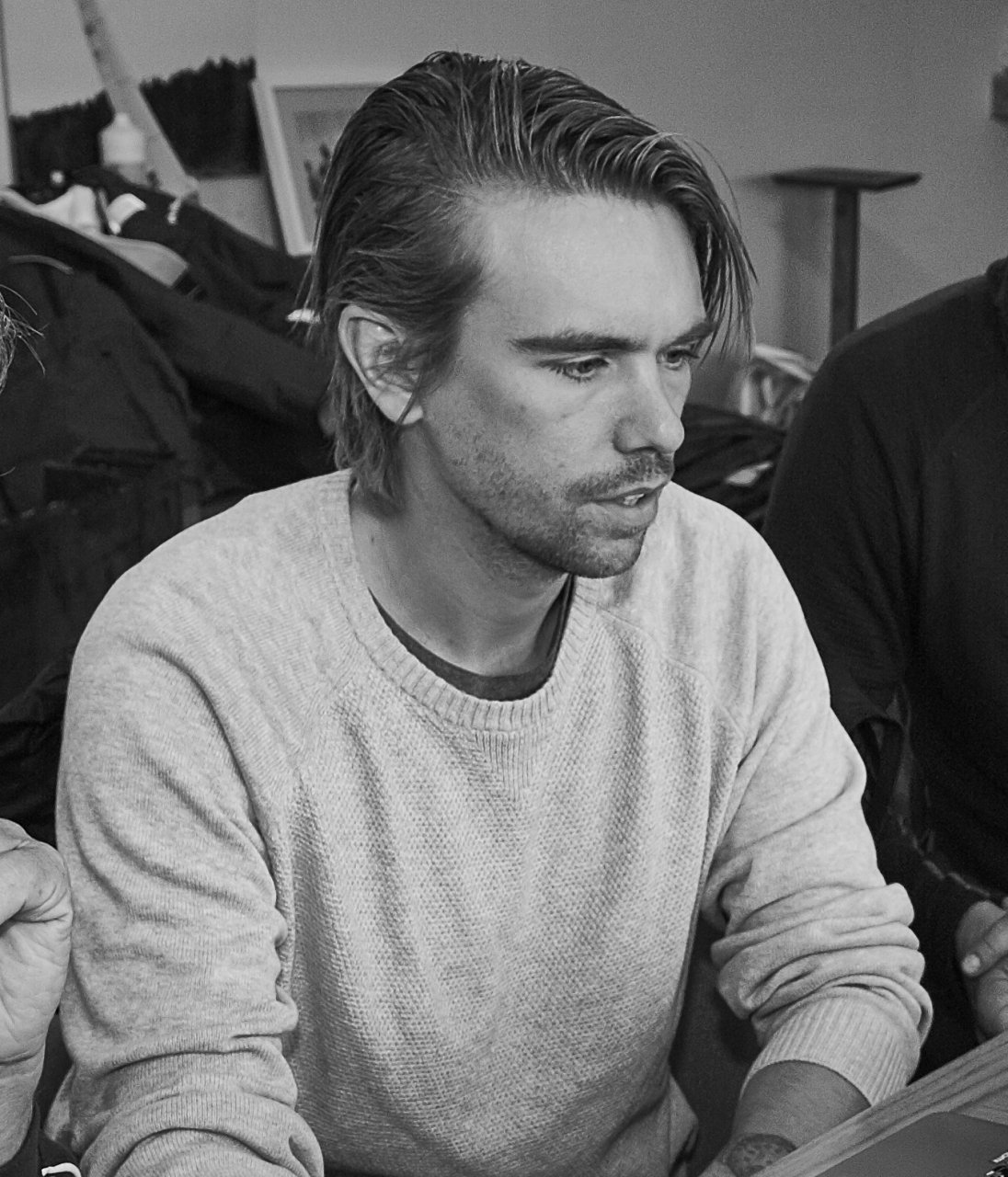
Oscar Södergren
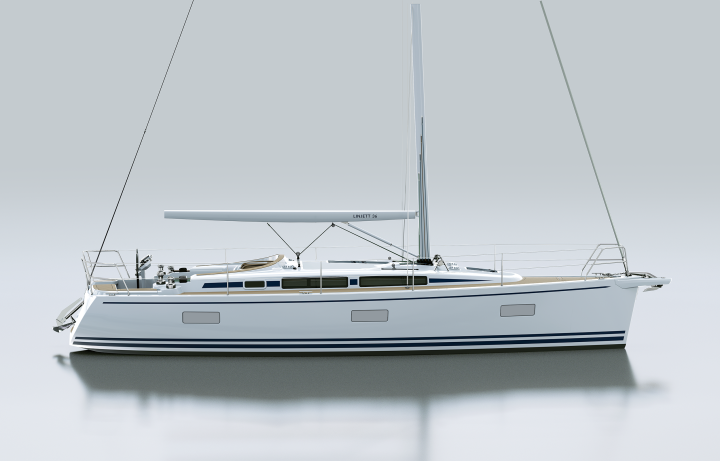
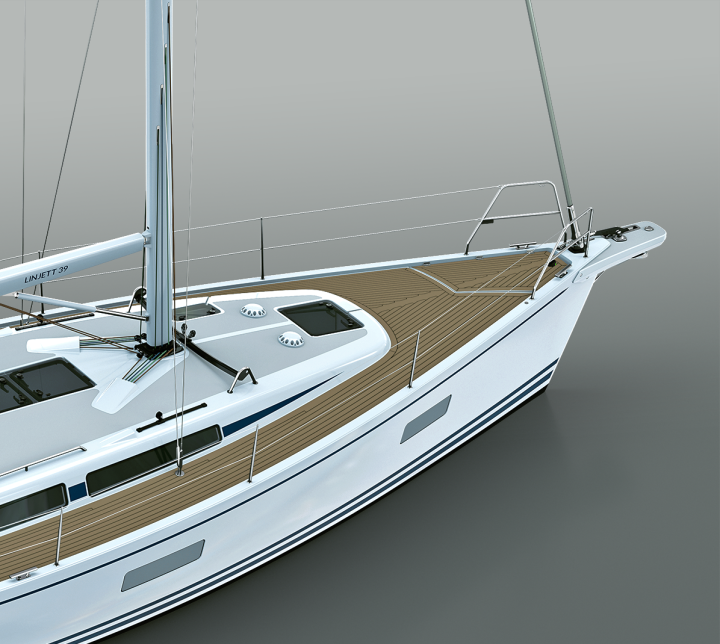
Oscar Södergren is a name most probably associate with Shogun Yachts. His experience with different yachts as a modern industrial- and yacht designer brought valuable insights and cool features into the development of the Linjett 39. He was one of the designers who played a key role in shaping the modern lines of the Linjett 39, a yacht that defined the design language for the new generation of Linjett yachts. Oscar did the digitalisation of the Linjett 39 and therefore also helped bring Linjett into a modern era of a more digital design process.
Read more about Oscar's projects via the button below.
Consultant for Linjett 36
Kristian Wallgren
Kristian, actually a graphic designer by trade, has been a part of the development of the Linjett 36. His design background features mostly power boats. Due to this experience, he took over the 3D modelling for the model and had an influence on the lines of the Linjett 36.
Contact us
Please contact us for questions or inquiries.
Feel free to ask for a viewing or test sailing!
+46 176-766 60 | sales[at]linjett.se